
Managing Stress: Understanding Stress and How to Cope With It
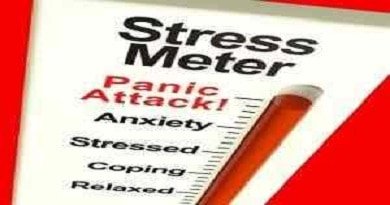
Stress is a normal part of life, but when it becomes constant or overwhelming, it can affect the way you feel, think, and respond to everyday situations.
Managing stress isn’t always as simple as confronting the source and trying to control it once and for all. Different people experience stress differently, and what feels overwhelming to one person may feel manageable to another.
Understanding what stress is and recognizing what triggers it can help you develop healthier ways to cope.
In this article
What Is Stress?
Stress is difficult to define because it can be connected to many different experiences, responses, expectations, and circumstances.
Different people experience different stressors, and those stressors can affect each person differently. This is one reason experts have developed different definitions and approaches to stress management.
Stress can be damaging when it becomes overwhelming or continues for a long period of time. However, not all stress is necessarily negative.
Hans Selye, one of the early researchers of stress, suggested that stress itself was not necessarily bad and that how a person experiences or responds to it matters.
Today, stress is often understood as a response that can occur when we feel that the demands placed on us are greater than the resources we have available to deal with them.
People may feel particularly stressed when they feel out of control or believe they don’t have enough time, experience, or resources to manage a situation.
This means that stress isn’t always caused by an event itself. Our perception of the situation and our ability to cope with it can also play an important role.
Managing Stress
Managing stress doesn’t mean that you can eliminate every stressful situation from your life. Instead, it means learning to recognize your stressors and developing ways to respond to them.
Start by asking yourself:
- What is causing me the most stress right now?
- Is there something about the situation I can change?
- Is there something I need to accept?
- Am I trying to deal with too many things at once?
- Do I need to ask someone for help?
Sometimes, simply identifying the source of stress can make a situation feel more manageable.
Ask for Help
You don’t have to handle everything by yourself.
When stress becomes overwhelming, talking to someone you trust can help you see the situation from another perspective. Asking for help can also make it easier to deal with responsibilities that feel too difficult to manage alone.
Reduce Feelings of Overwhelm
When you have too many things to deal with at once, everything can begin to feel urgent.
Instead of trying to solve everything at the same time, choose one thing you can address first.
Breaking a stressful situation into smaller steps can make it feel more manageable.
Reduce Time Pressure
Feeling that you never have enough time can contribute to stress.
Look at your responsibilities and decide what really needs to be done immediately. If possible, remove unnecessary tasks, postpone things that can wait, and give yourself realistic expectations.
You don’t have to accomplish everything at once.
Pay Attention to Your Thoughts
The way you think about a stressful situation can affect how you experience it.
If your mind automatically expects the worst, you may feel even more overwhelmed.
When you notice yourself caught in negative thinking or overthinking, pause and question the thought rather than automatically accepting it.
You can learn more about this in How to Stop Negative Thoughts and Overthinking.
Build Healthy Ways to Cope With Stress
Managing stress is not about finding one solution that works for everyone.
Some people find that exercise, relaxation, meditation, spending time with others, or simply taking a break can help them cope with stressful periods.
The important thing is to find healthy strategies that work for you and make them part of your routine.
Final Thoughts
Stress is a normal part of life, but you don’t have to allow it to control every aspect of your life.
Understanding what triggers your stress, recognizing when you feel overwhelmed, and learning how to respond can help you manage stressful situations more effectively.
You may not be able to control everything that happens around you, but you can work on how you respond to it.
Managing stress starts with awareness, realistic expectations, and taking one manageable step at a time.
Complete Stress Management Pack
If you’re looking for additional support with stress management, you can explore the Complete Stress Management Pack, which includes resources focused on:
- Stress management training
- Asking for help
- Overcoming overwhelm
- Reducing time pressure
The program provides different resources that you can use according to the areas of stress you’re currently dealing with. You can start with the resources most relevant to you and gradually add others as needed.
Explore the Complete Stress Management Pack
You Might Also Like
Meditation for Anxiety and Stress Relief. A practical guide to calm your mind, reduce overthinking, and build daily mindfulness habits.