
7 Signs Of Toxic Narcissistic Parenting

Narcissistic parents may be highly critical, controlling or possessive toward their children. Some have difficulty supporting a child’s independence because they view the child’s choices, achievements or behavior as reflections of themselves.
Toxic narcissistic parenting describes a repeated pattern in which a parent prioritizes their own need for admiration, control or validation over their child’s emotional needs. These behaviors may include humiliation, manipulation, conditional affection, boundary violations or dismissing the child’s experiences. A parent can display narcissistic traits without having a diagnosed narcissistic personality disorder.
In This Article
Table of Contents
Common Characteristics
Narcissistic parenting may involve entitlement, a strong need for admiration, limited empathy and difficulty recognizing a child as a separate individual. The pattern becomes harmful when the parent repeatedly uses control, criticism or manipulation while disregarding the child’s emotional needs and boundaries.
Some parents may treat a child’s achievements as a source of personal status or expect the child to provide reassurance and validation. The child may then feel pressure to earn approval, hide personal needs or meet expectations that do not reflect their own identity.
7 Signs Of Toxic Narcissistic Parenting
1. Focusing all the family`s time and attention on themselves
Narcissists often need continuous validation to make up for low self-esteem. They also tend to focus more on their feelings than those of their children. With a narcissistic parent, this may manifest as always wanting to be the focus of the family’s attention. Not showing concern or compassion for their children or other family members
Because narcissistic people often focus on themselves and t1. Focusing the Family’s Attention on Themselves
A parent with strong narcissistic traits may repeatedly redirect family attention toward their own feelings, achievements or problems. They may expect frequent praise or validation and become upset when another family member receives attention.
2. Showing Little Concern for the Child’s Needs
The parent may dismiss the child’s feelings, show limited empathy or consistently prioritize their own preferences. Over time, the child may feel unseen or believe that their needs are unimportant.hink about their needs over the needs of others, narcissistic parent shows little concern or compassion for their own children.
3. Refusing to Take Responsibility
The parent may blame the child or other family members when something goes wrong, even when their own actions contributed to the problem. They may deny mistakes, rewrite events or react defensively when held accountable.
4. Excessive Control or Dependence
The parent may attempt to control the child’s decisions, relationships or independence. They may also react negatively when the child develops separate interests, sets boundaries or no longer depends on them in the same way.
5. Using Fear, Domination or Manipulation
The parent may use intimidation, guilt, threats or emotional pressure to influence the child’s behavior. The child may learn to comply to avoid conflict rather than feeling safe enough to express personal needs or opinions.
6. Teasing, Mocking, Bullying or Gaslighting
The parent may repeatedly ridicule the child, deny the child’s experiences or distort events to avoid responsibility. Over time, the child may begin to doubt their perceptions and feel uncertain about expressing themselves.
7. Showing Conditional Love
The parent may offer affection, approval or attention only when the child behaves in an expected way. Withdrawing affection as punishment can teach the child that love must be earned through obedience, achievement or meeting the parent’s emotional needs.
Recommended Reading
If you are working through the effects of being raised by a narcissistic mother, Adult Daughters of Narcissistic Mothers offers practical exercises focused on emotional healing, rebuilding self-worth and developing healthier boundaries.
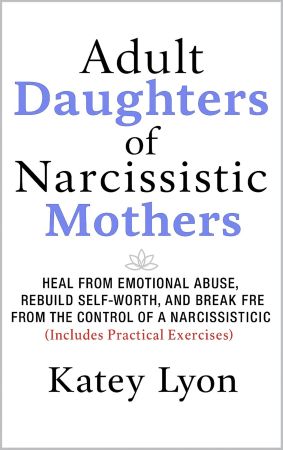
View Adult Daughters of Narcissistic Mothers on Amazon
Disclosure: As an Amazon Associate, I earn from qualifying purchases at no additional cost to you.
Impact on Children
Children who grow up with a parent who exhibits narcissistic tendencies may experience emotional abuse and manipulation, leading to psychological harm. The impact of narcissistic parenting on children can be long-lasting and profound.
Narcissistic parents often prioritize their own needs and desires over their children’s, failing to provide emotional support or meet their children’s basic needs. This can leave children feeling neglected, unimportant, and unworthy of love and attention.
Children of narcissistic parents can struggle with low self-esteem, anxiety, depression, and difficulty building healthy relationships. They may also struggle to establish their own identities and become independent adults, as narcissistic parents often do not allow their children to have their own needs or opinions.
Narcissistic parents may also use manipulation tactics such as gaslighting and blame-shifting to maintain control over their children and prevent them from breaking away. Seeking therapy and support from trusted individuals can help children of narcissistic parents heal from the psychological harm caused by their upbringing.
Strategies for Change
Strategies for addressing narcissistic tendencies in parenting may involve seeking professional therapy, avoiding manipulative tactics, and fostering healthy boundaries. Seeking therapy can help parents understand how their behavior affects their children and learn healthier ways to interact with them. This can involve learning to validate their children’s emotions, listening to their needs, and putting their children’s needs before their own. Therapy can also help parents develop healthy boundaries, such as respecting their children’s privacy and allowing them to make their own decisions.
In addition to therapy, parents can also work on avoiding manipulative tactics. This includes avoiding gaslighting, which involves invalidating their children’s experiences and emotions, and forcing forgiveness, which can invalidate their children’s feelings and minimize their experiences. Instead, parents can work on acknowledging their children’s feelings and experiences, apologizing when necessary, and taking responsibility for their actions. By fostering healthy boundaries and avoiding manipulative tactics, parents can work towards creating a healthier relationship with their children and reducing the impact of their narcissistic tendencies.
Dealing With the Narcissist Audio hypnosis session developed by experienced psychologists. It is designed specifically to equip you to handle a narcissistic relationship
Frequently Asked Questions
How can a child identify if their parent is a narcissist?
Identifying a narcissistic parent can be challenging for a child as they may not clearly understand what narcissism entails. However, some signs that a child can look out for include:
- Their parent see them only as a source of validation
- Being emotionally reactive but shaming the child’s emotions
- Always putting their own needs first
- Having poor boundaries
- Playing favorites
- Shifting blame onto their children
- Expecting the child to be the caregiver
These behaviors can be emotionally abusive and manipulative, causing psychological harm to the child. If a child suspects that their parent may have narcissistic tendencies, seeking therapy and avoiding gaslighting and forced forgiveness can be helpful strategies for coping and healing.
Can Narcissistic Parenting Be Passed From One Generation to Another?
Parenting behaviors can be learned and repeated across generations, but this does not mean that a child raised by a narcissistic parent will inevitably become the same kind of parent. Personality develops through a complex combination of temperament, relationships, experiences and environment.
Recognizing harmful family patterns, developing self-awareness and seeking professional support when needed can help a person choose healthier ways of relating to their own children.
Can Narcissistic Parenting Affect Physical and Emotional Health?
Growing up with chronic criticism, control or emotional abuse may contribute to stress, anxiety, low mood, sleep difficulties, low self-esteem or problems forming healthy relationships. Stress can also be experienced physically, but these symptoms are not specific proof of narcissistic parenting and may have many possible causes.
Anyone experiencing persistent emotional or physical symptoms should consider speaking with a qualified healthcare or mental health professional. Learn more about managing anxiety.
How Can Someone Cope With Emotional Abuse From a Narcissistic Parent?
A person experiencing emotional abuse may benefit from speaking with a trusted adult, family member, counsellor or therapist. It can also help to document concerning behavior, develop appropriate boundaries and remember that the abuse is not their fault.
A child who feels unsafe should seek help from a trusted adult or an appropriate local support service. Adults dealing with the effects of childhood emotional abuse may benefit from professional support focused on boundaries, self-worth and healthy relationships.
One response
Comments are closed on this article.