
Raise Your Financial Self Esteem

Financial self esteem is an informal term describing how your sense of worth, confidence and personal beliefs may influence the way you manage money. It can affect how comfortably you set prices, discuss payment, create a budget, make purchases or respond to financial mistakes.
Healthy financial self-esteem does not depend on having a particular income or amount of savings. It involves separating your worth as a person from your financial circumstances while taking responsibility for choices you can control. Improving it cannot guarantee wealth, but it may help you develop more intentional and consistent money habits.
Signs Your Financial Self-Esteem May Need Attention
Financial concerns do not determine your worth. However, certain repeated patterns may indicate that your beliefs and emotions are affecting how you manage money:
- Buying things you do not need or use and later regretting the purchase
- Charging less than your work or services are reasonably worth
- Feeling excessive guilt whenever you spend money, even on necessities
- Spending beyond your means to gain approval or please other people
- Frequently paying bills late or adding to debt without a repayment plan
- Feeling unable to ask for money that someone legitimately owes you
Recognizing a pattern is not a reason to judge yourself. It gives you a specific behavior to examine and change. If debt is one of your concerns, you may also explore Be Debt Free.
Disclosure: This page contains affiliate links. If you purchase through one of these links, we may earn a commission at no additional cost to you.
How to Improve Your Financial Self-Esteem
Improving financial self-esteem involves both practical money management and awareness of the emotions influencing your decisions.
- Review your current situation without judgment. Record your income, essential expenses, debts and discretionary spending so you can work with accurate information.
- Notice emotional spending triggers. Before an unplanned purchase, ask what you are feeling and what you hope the purchase will provide.
- Create a realistic spending plan. Choose limits that account for necessities, savings, debt payments and some personal enjoyment. The Financial Consumer Agency of Canada Budget Planner can help you organize this information.
- Pause before nonessential purchases. Waiting 24 hours can help you decide whether a purchase supports your priorities.
- Separate your worth from your finances. Debt, income and past mistakes describe circumstances; they do not determine your value as a person.
- Ask for appropriate support. If debt feels unmanageable, consider speaking with a reputable nonprofit credit counsellor or qualified financial professional.
This information is educational and is not individualized financial advice.
Recommended Reading
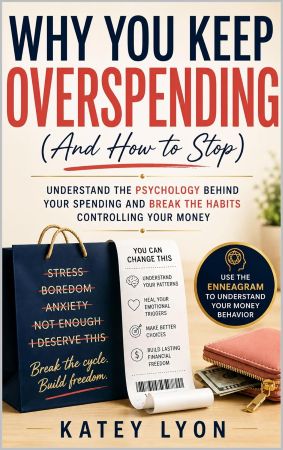
If overspending feels automatic or emotionally driven, Why You Keep Overspending (And How to Stop) explores the psychology behind spending decisions and offers practical guidance for changing the habits controlling your money.
Related Articles
- How Emotions Affect Your Finances: 4 Reasons Why People Overspend
- Your Ultimate Guide on Attracting Wealth by Improving Self Esteem
- What Is Self-Esteem? Meaning, Signs and How to Build It
Disclosure: As an Amazon Associate, I earn from qualifying purchases at no additional cost to you.